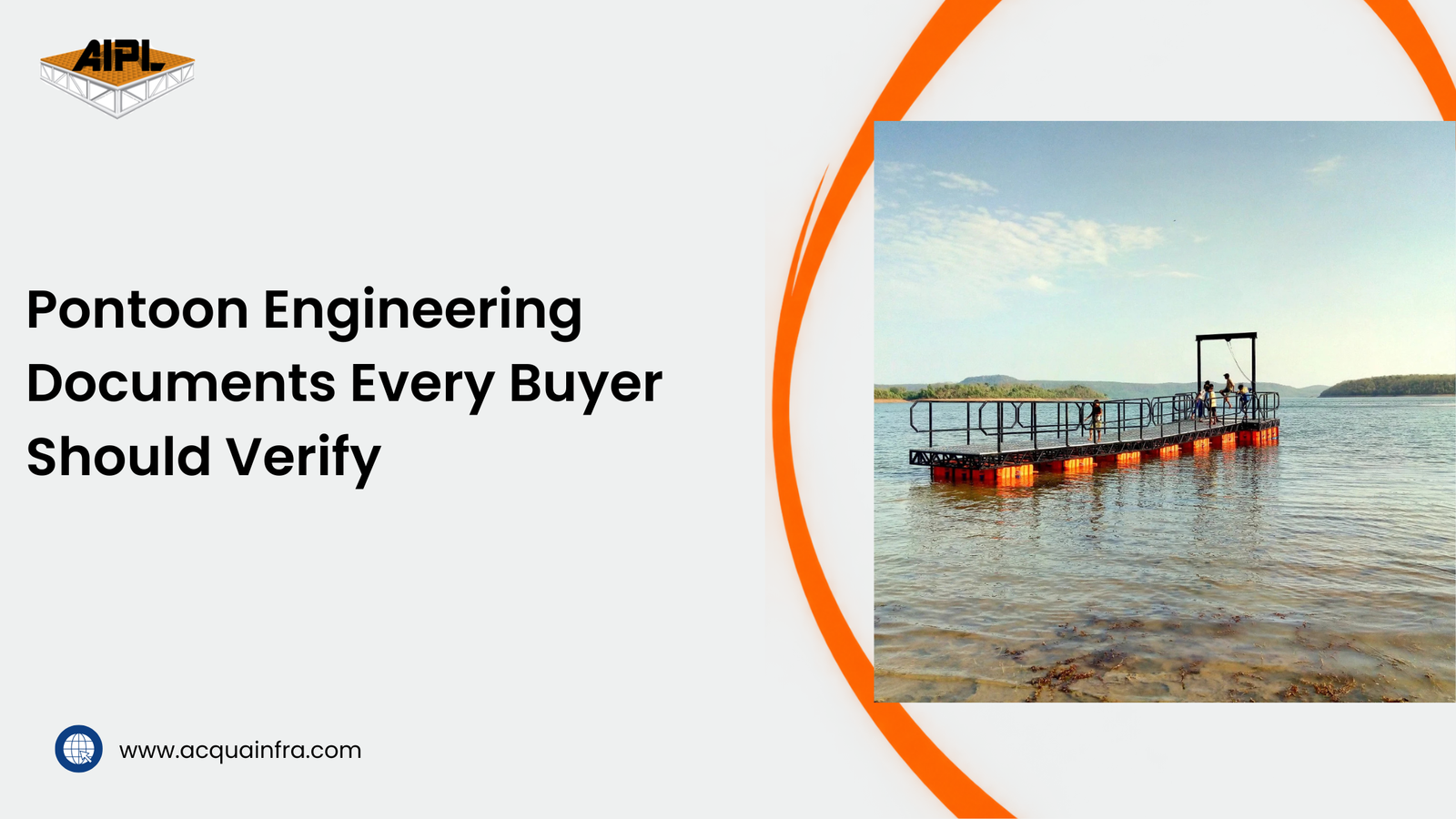
Across industrial and infrastructure sectors, approving a pontoon based solely on drawings or commercial quotations can expose projects to unnecessary engineering and operational risks. Whether the requirement is a Floating Pump Pontoon, Construction Pontoon, Floating Jetty, or Water Intake Pontoon, technical documentation provides the confidence that the floating infrastructure has been engineered to perform safely under actual site conditions.
The quality of a pontoon cannot be judged by appearance alone. Behind every reliable floating structure lies a comprehensive set of Pontoon Engineering Documents that verify structural integrity, buoyancy, fabrication quality, corrosion protection, and installation methodology. These documents help buyers evaluate whether the proposed design truly matches the project's operational requirements.
For EPC contractors, government agencies, consultants, and industrial buyers, reviewing engineering documentation before approval reduces project uncertainty, simplifies technical evaluations, and supports better procurement decisions. At Acquafront Infrastructure Private Limited (AIPL), documentation forms an integral part of the engineering process, ensuring every floating infrastructure project is backed by project-specific engineering, IIT-driven design practices, IRS-compliant fabrication, and long-term operational reliability.
Engineering documents serve as the technical foundation of every floating infrastructure project. They demonstrate that the proposed pontoon has been designed, analysed, and fabricated according to project-specific operational requirements rather than generic assumptions.
Without these documents, buyers often have no reliable method of verifying whether the pontoon can safely support equipment loads, withstand environmental forces, or achieve its intended service life.
A comprehensive engineering package helps stakeholders:
Ultimately, these documents provide transparency and reduce uncertainty before procurement decisions are finalized.
Choosing a supplier based only on commercial pricing or basic drawings may create significant technical challenges during installation and operation.
Common risks include:
Many of these issues remain hidden until the pontoon is deployed, making corrections far more expensive than reviewing engineering documents beforehand.
Every pontoon project should include a structured documentation package covering design, fabrication, quality assurance, and installation.
| Engineering Document | Purpose |
| General Arrangement Drawing | Overall layout and dimensions |
| Structural Design Calculations | Verify structural strength |
| Buoyancy & Stability Report | Confirm floating performance |
| Material Specifications | Verify steel quality |
| Fabrication Drawings | Manufacturing guidance |
| Welding Procedure Specifications | Ensure weld quality |
| Coating Specification | Corrosion protection details |
| Quality Inspection Reports | Fabrication verification |
| Load Calculation Report | Equipment and operational loads |
| Installation Method Statement | Safe deployment procedure |
Together, these documents provide a complete picture of how the pontoon has been engineered and how it is expected to perform.
The General Arrangement Drawing is usually the first document buyers review. It illustrates the overall configuration of the floating infrastructure and helps stakeholders understand how various components integrate into the final structure.
A professional GA drawing typically includes:
This document also assists contractors in planning transportation, installation, and future maintenance activities.
Structural calculations are among the most important Pontoon Engineering Documents because they validate whether the floating structure can safely withstand anticipated loads throughout its service life.
These calculations typically evaluate:
Rather than relying on standard designs, engineering-driven manufacturers develop project-specific structural calculations based on actual operating conditions.
Floating infrastructure must remain stable under varying operational conditions. A buoyancy and stability report verifies that the pontoon maintains adequate freeboard, balance, and safety margins throughout operation.
Typical engineering evaluations include:
These calculations become particularly important for Floating Pump Pontoons, Construction Pontoons, and heavy-duty marine work applications where load distribution changes during operation.
Engineering quality begins with certified materials. Buyers should always request material certificates to confirm that the specified steel grades match the approved engineering design.
Material documentation generally verifies:
Using certified marine-grade steel improves durability, structural performance, and long-term operational reliability.
Fabrication drawings convert engineering calculations into manufacturing instructions.
Unlike conceptual drawings, these documents provide precise fabrication details that ensure every structural component is produced accurately.
Typical fabrication drawings include:
Accurate fabrication drawings reduce manufacturing errors and improve construction quality.
The structural strength of a pontoon depends heavily on welding quality.
A Welding Procedure Specification defines approved welding methods and helps maintain consistency throughout fabrication.
A typical WPS includes:
Following documented welding procedures significantly improves structural reliability and reduces the likelihood of defects.
Marine environments expose steel structures to continuous moisture, temperature variations, and aggressive corrosion conditions.
A coating specification outlines how the floating infrastructure will be protected throughout its service life.
Typical information includes:
Proper corrosion protection contributes directly to AIPL's standard 20+ year design life, which can be extended to 25–35 years with appropriate maintenance.
Quality inspection documentation verifies that fabrication has been completed according to approved engineering drawings and specifications.
Important reports include:
These reports provide confidence that the delivered floating infrastructure matches the approved engineering design.
Beyond design drawings and quality reports, buyers should also evaluate the engineering documents that validate how the pontoon will perform under actual operating conditions. These technical documents demonstrate whether the floating infrastructure has been engineered for safety, durability, and long-term reliability rather than simply fabricated to match dimensions.
A load calculation report confirms that the pontoon can safely support its intended operational loads throughout its service life.
Typical calculations include:
For projects involving Floating Pump Pontoons supporting 10–2000+ kW pumping equipment or heavy-duty construction activities, these calculations become essential before project approval.
Every floating structure interacts differently with changing water levels, currents, and environmental conditions. Proper anchoring documentation ensures the pontoon remains stable and operational throughout varying site conditions.
Engineering documents should include:
Custom anchoring designs improve operational safety and reduce unexpected movement during service.
Even a well-designed pontoon requires proper installation to achieve its intended performance. Buyers should request a detailed installation methodology before approving the project.
Typical contents include:
Well-documented installation procedures reduce execution risks and improve project timelines.
Before approving any pontoon proposal, buyers should ensure all critical engineering documents are available and reviewed.
| Document | Purpose |
| General Arrangement Drawing | Overall project layout |
| Structural Calculations | Verify structural integrity |
| Buoyancy Report | Confirm floating performance |
| Load Calculation Report | Validate operational loads |
| Material Certificates | Confirm steel quality |
| Fabrication Drawings | Manufacturing accuracy |
| Welding Procedure Specification | Quality welding practices |
| Coating Specification | Corrosion protection |
| Inspection Reports | Fabrication quality assurance |
| Installation Method Statement | Safe deployment planning |
This checklist enables buyers to compare proposals on technical merit rather than cost alone.
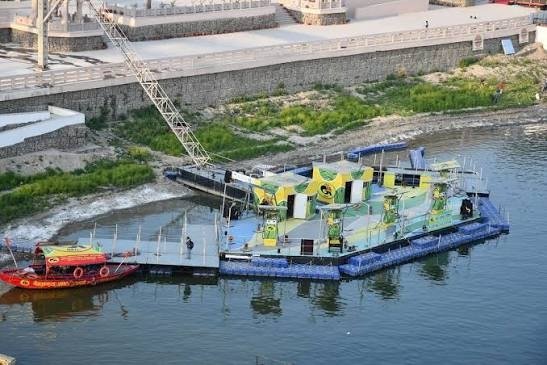
Engineering documents should not exist merely for compliance—they should reflect a thorough understanding of how the floating infrastructure will perform throughout its lifecycle.
Critical engineering considerations include:
Engineers analyse static and dynamic loads to ensure the pontoon safely supports equipment, personnel, and operational activities without excessive deflection or structural stress.
Buoyancy calculations determine whether the floating structure maintains adequate freeboard, stability, and balance under changing load conditions.
Material selection, welding quality, and fabrication standards directly influence structural durability and lifecycle performance.
Marine-grade coating specifications help protect steel components from corrosion, reducing maintenance requirements and extending service life.
Safe lifting arrangements, transportation planning, and installation procedures minimise project risks while ensuring smooth commissioning.
Engineering documentation provides insight into the quality of the manufacturer's design process.
Manufacturers that prepare comprehensive engineering packages typically demonstrate:
Rather than increasing paperwork, complete documentation reduces uncertainty throughout the project lifecycle.
Acquafront Infrastructure Private Limited (AIPL) follows an engineering-first approach where documentation is developed alongside design rather than after fabrication. Every floating infrastructure project is supported by project-specific engineering, IIT-driven design practices, IRS-compliant floating infrastructure, and marine-grade fabrication.
With turnkey SITC execution capability, AIPL prepares comprehensive engineering documentation that supports procurement, fabrication, installation, testing, and commissioning.
Its engineering expertise is reflected across diverse projects, including the Floating CNG Filling Station – Varanasi, Hirakud Reservoir Project, Bansagar Dam Project, Sabarmati Wet & Dry Dock Project, Passenger Jetty Projects, and industrial floating infrastructure for UltraTech Cement and Vedanta.
AIPL custom-engineers every floating structure according to:
The company's floating infrastructure supports 1000+ tonne load handling capability, 10–2000+ kW pump applications, and a 20+ year design life, extendable to 25–35 years with proper maintenance.
They are technical documents that verify the design, fabrication, safety, and quality of a pontoon before project approval.
They help verify structural integrity, buoyancy, fabrication quality, and long-term operational reliability.
Structural calculations and buoyancy reports are among the most critical documents for evaluating safety.
It includes dimensions, layout, equipment positions, buoyancy chambers, and structural configuration.
They confirm the pontoon can safely support equipment, personnel, and operational loads.
Yes. Welding Procedure Specifications help ensure consistent fabrication quality.
They confirm steel grade, mechanical properties, and compliance with engineering specifications.
It verifies coating systems that help extend service life and reduce maintenance.
Yes. Engineering documentation should be prepared according to project-specific requirements.
Engineering-driven manufacturers such as AIPL prepare comprehensive documentation for floating infrastructure projects.
Yes. They support technical evaluations, approvals, and procurement processes.
Yes. AIPL provides complete engineering documentation for projects across these states and throughout India.
It typically includes dimensional checks, weld inspections, coating inspections, and fabrication verification.
It helps reduce execution risks, simplifies technical approvals, and improves project planning.
AIPL integrates IIT-driven engineering, IRS-compliant fabrication, project-specific calculations, and turnkey SITC expertise into every documentation package.
Approving a pontoon should involve more than reviewing commercial quotations or basic drawings. Comprehensive Pontoon Engineering Documents provide the technical evidence needed to verify structural integrity, fabrication quality, and operational performance.
By requesting the right engineering documentation, buyers can reduce project risks, improve procurement decisions, and ensure long-term value from their floating infrastructure investment.
An engineering-driven approach supported by project-specific calculations, quality assurance, and detailed technical documentation ultimately leads to safer, more reliable, and more durable floating infrastructure.
Consult experienced engineers to design customized floating infrastructure tailored to your operational requirements.
📞 +91 7678232371
📩 Admin@acquainfra.com
Mr. Achin Agrawal
Director & CTO
Acquafront Infrastructure Private Limited
Mr. Achin Agrawal leads the engineering and technology initiatives at Acquafront Infrastructure Pvt. Ltd. (AIPL), specialising in modular floating infrastructure, marine engineering, lifting barges, construction pontoons, floating work platforms, and heavy-duty marine systems. With extensive experience in designing and executing complex floating infrastructure projects, he has contributed to solutions deployed across reservoirs, dams, ports, industrial waterfronts, and inland waterways throughout India. Under his technical leadership, AIPL continues to deliver IIT-driven engineering, IRS-compliant fabrication, and turnkey SITC solutions that meet the evolving needs of India's marine infrastructure sector.

